Gutter Repair vs. Replacement: Making the Right Choice
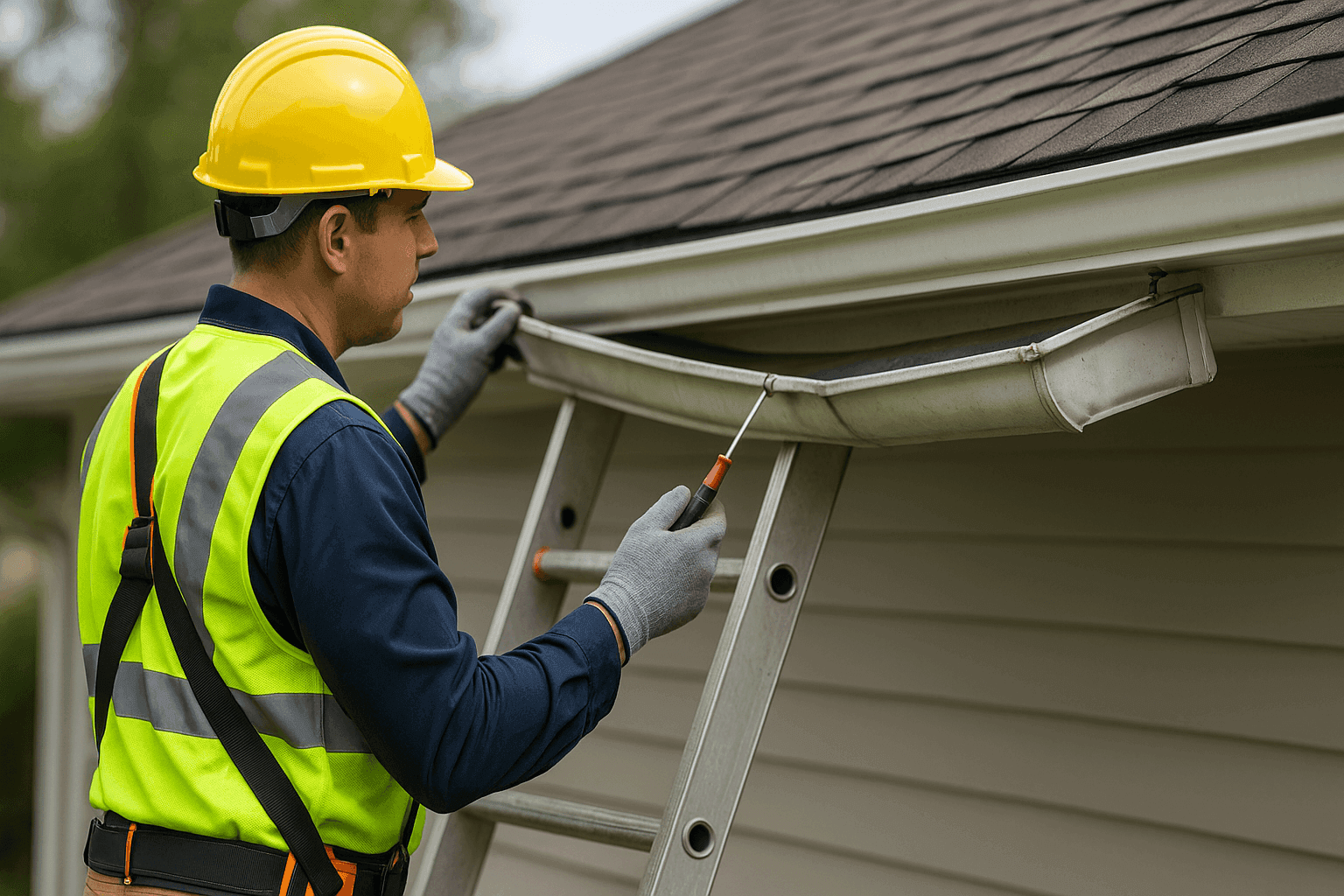
Rain doesn’t wait for anyone. That’s why gutters are the quiet heroes of your roof, carrying water safely away from your home or business—until something goes wrong. When gutters fail, leaks turn into headaches and minor issues can quickly spiral into emergency roofing situations.
At Ramma Roofing, we see it all: from storm damage restoration near you, to routine repairs and sudden emergencies. Let’s break down when a simple repair will do, and when replacement is the smarter, safer move.
Common Gutter Problems: When Warning Signs Appear 🛑
Gutters rarely shout for attention. Instead, they whisper—through leaks, sagging, or streaks of rust. Here’s what to watch for:
- Leaking joints or corners: Water drips where gutter sections meet.
- Sagging or pulling away: Gutters no longer sit flush with the roofline.
- Rust and holes: Tiny orange freckles or visible gaps.
- Overflow during storms: Water spills over the edge instead of flowing through downspouts.
- Peeling paint or rot: On siding, fascia, or soffits below the gutter line.
- Plant growth: Moss or weeds sprouting in the channel.
Think of your gutter as a raincoat for your building. Even a small tear can leave you soaked.
Before & After: Gutter Rescue in Action

Before: Sagging, leaking gutter letting water damage the siding.

After: Straight, sealed gutter protecting the roof and walls.
Quick Safety Checklist for Homeowners
Before you climb a ladder or grab a tool, check these safety basics:
- Wear gloves and eye protection.
- Use a sturdy, properly-placed ladder.
- Never work alone on high areas.
- Watch for overhead power lines.
- Avoid working in wet or windy conditions.
- Double-check local codes (such as the International Residential Code) for gutter attachment and spacing.
If your gutters look unsafe or unstable, step back. Some jobs are best left to professionals.
Repair vs. Replacement: Breaking Down the Decision
Should you patch it up, or start over? The answer depends on what your gutters are telling you.
Repair Is Enough When:
- Only a few small leaks, cracks, or loose hangers are present.
- Rust is limited to small spots (not widespread).
- Just one section is sagging, but the rest is solid.
- You’ve caught the issue soon after it started.
Repairs might include resealing joints, replacing fasteners, or patching minor holes.
Replacement Is Smarter When:
- Multiple sections are rusted through or have major holes.
- Gutters are warped, bent, or pulling away from the house in several areas.
- Repairs are needed every season, or water damage is spreading.
- You want to upgrade to a better material (like seamless aluminum or eco-friendly options).
- Local building codes require a full update.
Think of it like a pair of old sneakers. If you’re patching them every week, it’s time for a new pair.
Impact on Roof Health: Why Gutters Matter
Gutters are your roof’s pressure-release valve. Without them:
- Water pools around your foundation, leading to cracks or flooding.
- Leaks can creep under shingles, damaging insulation and decking.
- Ice dams form in winter, weighing down eaves and causing leaks.
- Wood rot attacks fascia boards, soffits, and the edges of your roof.
A failing gutter is like a leaky lifeboat—dangerous for everything above and below.
New Gutter Options: Materials, Styles, and Smart Upgrades
Today’s gutters aren’t just metal troughs. You have choices:
- Aluminum: Lightweight, rust-resistant, easy to maintain.
- Steel: Durable but can rust if not coated.
- Copper: Long-lasting, beautiful patina, premium price.
- Vinyl: Affordable but less sturdy in harsh weather.
- Seamless gutters: Custom-fit, fewer leaks.
- Gutter guards: To block leaves and debris.
Eco-friendly options—such as recycled metal or rainwater collection attachments—can make your home or business greener, too.
DIY vs. Call a Pro: Know Your Limits
Some tasks look easy—until you’re twenty feet up, tools in hand, wrestling with a rusty bracket.
DIY Repairs:
- Clearing out leaves and debris.
- Resealing a single joint with gutter caulk.
- Reattaching a loose hanger.
Call a Pro For:
- Large leaks, sagging, or recurring issues.
- Replacing long gutter runs or installing new downspouts.
- Emergency roofing or storm damage restoration near you.
- Structural repairs to fascia, decking, or roof edges.
Remember: falling from a ladder can do more damage than a leaky gutter ever could.
What Pros Do On Arrival
When Ramma Roofing arrives, here’s what you can expect:
- Full inspection: Gutters, downspouts, flashing, and the roof edge.
- Photo documentation: Before and after, for your records.
- Moisture check: Using safe, code-compliant tools.
- Clear recommendations: Repair, replace, or upgrade.
- Clean work area: No mess left behind.
Our team follows safety standards from organizations like OSHA and always uses industry-approved materials.
Prevention & Maintenance: Keep Gutters Working Year-Round 🧰
A stitch in time saves nine—especially for gutters. Here’s how to keep yours flowing:
- Clean gutters at least twice a year (spring and fall).
- Check for leaks after heavy storms.
- Trim back overhanging branches.
- Inspect hangers and fasteners.
- Consider gutter guards for high-debris areas.
Regular attention can prevent the need for emergency roofing calls.
Costs & Time Factors: What to Expect
Every home and building is different, but here’s what typically affects the bottom line:
- Repair costs: Usually lower, unless structural damage is found.
- Replacement costs: Higher, but may include upgraded materials and longer life.
- Timeframe: Small repairs might take an hour or two; replacement can take a day or more, depending on size and complexity.
- Hidden costs: Water damage, mold remediation, or code upgrades if issues are ignored.
Don’t let sticker shock delay needed fixes—unaddressed gutter problems can lead to much bigger bills down the road.
When It’s an Emergency
Sometimes, you can’t wait:
- Water pouring into your basement during a storm.
- Gutters hanging by a thread after heavy winds.
- Visible structural damage to the roof edge.
In those moments, every minute matters. Ramma Roofing offers emergency roofing services to get you dry and safe, fast.
FAQ: Gutter Woes, Solved
Q: How long should gutters last?
A: With good maintenance, aluminum or steel gutters can last 20 years or more. Vinyl usually lasts about 10 years.
Q: Can I patch a small hole myself?
A: Small holes can be patched with gutter sealant, but check for hidden rust or damage nearby.
Q: How often should I clean my gutters?
A: At least twice a year, or more often if you have heavy tree cover or frequent storms.
Q: What’s the best gutter material?
A: It depends on your climate and budget—aluminum is a solid all-around choice; copper for premium appeal and longevity.
Local & Seasonal Considerations: Weathering the Storms
Rain, snow, ice, or blazing sun—your region shapes your gutter needs. For instance:
- In snow-prone areas, choose materials that resist ice damage and install heating cables if needed.
- In stormy regions, secure gutters with extra hangers and downspout extensions.
- For older homes, ensure new gutters match historic profiles and meet local building codes.
Local building departments or the National Roofing Contractors Association offer guidelines on safe installation and upgrades.
Gutter trouble doesn’t have to mean disaster. Whether you need a quick repair, a total replacement, or just some honest advice, Ramma Roofing is ready 24/7 to help you protect what matters most.
Call Ramma Roofing now — or reach us anytime at 888-780-7394 .