Emergency Roofing Guide: What to Do Before Help Arrives
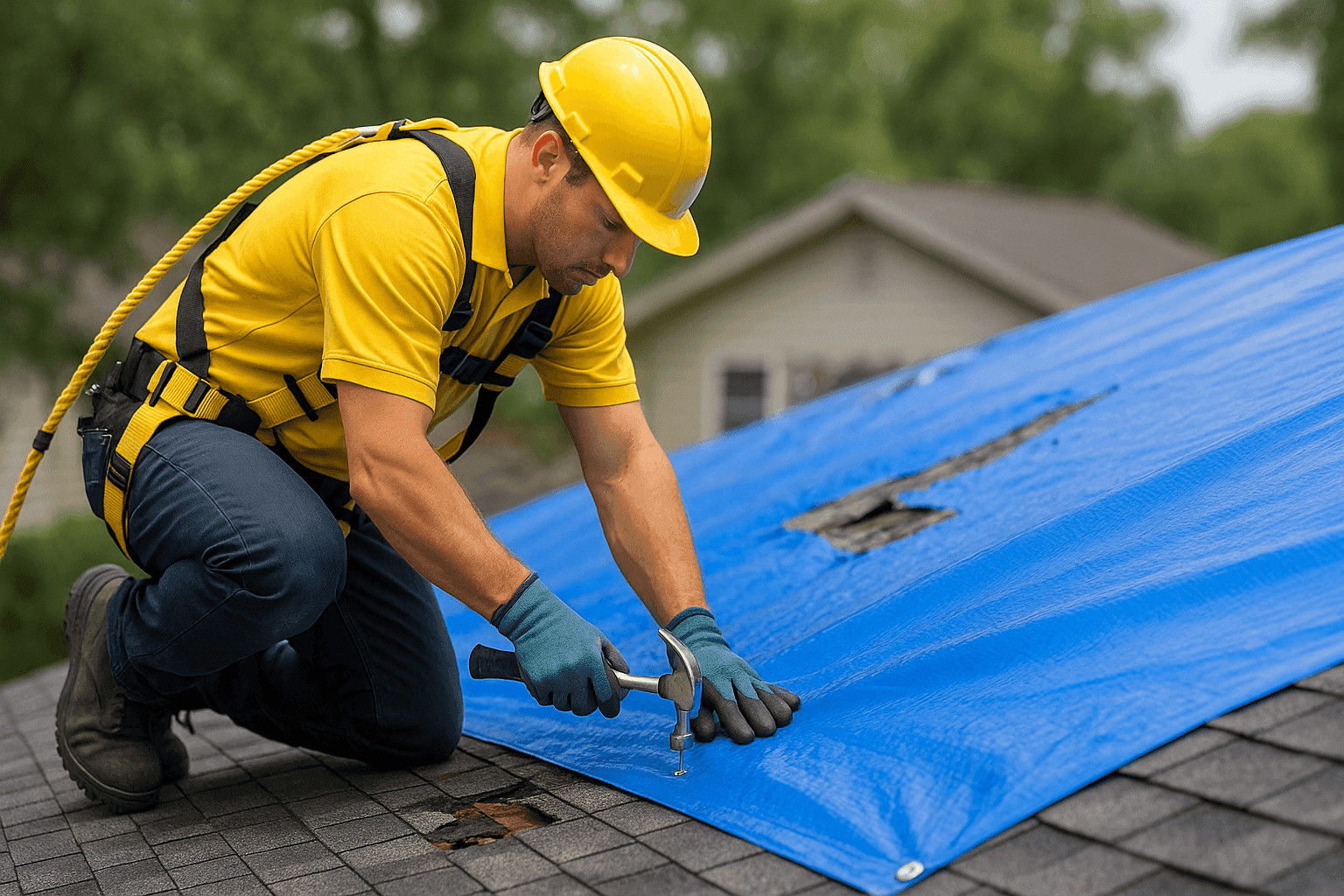
When the storm passes and you spot water dripping from your ceiling, panic is natural. In a flash, you’re worried about ruined floors, family safety, business interruptions, and what comes next.
At Rama Roofing, we’ve seen it all—soaked attics, battered shingles, commercial roofs peeled back by winds. Our team is on call 24/7, but there are steps you can take before we arrive. This guide is designed for both homeowners and commercial property managers. Let’s walk through what you need to know, what to do, and what NOT to risk.
Signs You’re Facing a Real Roofing Emergency 🛑
Not every leak is an “emergency,” but some situations demand urgent action. Here’s how to tell:
- Sudden water intrusion: Water pouring or dripping from ceilings or light fixtures.
- Visible structural damage: Sagging, bowing, or cracks in your ceiling/roof deck.
- After severe weather: Missing shingles, tiles, or sections of roofing—especially after hail, tornadoes, or high winds.
- Fallen branches or debris: Heavy objects on the roof can puncture or crush materials, causing leaks inside.
- Safety hazards: Exposed wiring, collapsed ceilings, or the smell of gas.
If you spot these, treat the situation as urgent. Time is not on your side.
Quick Safety Checklist
Before you even think about climbing a ladder or patching a leak, stop. Safety comes first. Here’s your checklist:
- Stay off the roof. Wet, damaged, or wind-blown surfaces are slippery and unpredictable.
- Turn off electricity if water is dripping near outlets, light fixtures, or your fuse box.
- Move valuables—electronics, important papers, art, rugs—out of harm’s way.
- Contain leaks by placing buckets or heavy-duty containers under drips.
- Avoid ceiling bulges. If water collects in a bubble, carefully poke a small hole to drain—using a bucket underneath.
- Never attempt repairs in severe weather. Wait until wind, rain, or lightning subsides.
According to the Occupational Safety and Health Administration (OSHA), falls remain a leading cause of injuries during storm cleanup. When in doubt, stay grounded.
How to Safely Inspect Damage from Ground Level
You want answers fast. Resist the urge to climb up. Instead:
- Walk the perimeter of your home or building.
- Use binoculars to check for missing shingles, bent flashing, or debris piles.
- Note any fallen tree limbs or damaged gutters/downspouts.
- Take photos or video from ground level—helpful for both the roofer and insurance claims.
What to Avoid:
- No ladders, especially in high winds or after dark.
- Don’t walk on a roof that looks bowed, cracked, or covered in ice/snow.
- Avoid touching or moving power lines.
DIY Quick Fixes: What’s Safe, What’s Not
While waiting for Rama Roofing’s emergency response, you might try a temporary fix. Here are safe, doable steps:
Temporary Leak Containment
- Place buckets, tarps, or plastic sheeting under leaks inside.
- Use towels to soak up standing water—replace often.
- If you have access to your attic, place a container under the leak source—but avoid stepping on insulation or joists.
Emergency Tarping
- Only attempt to tarp the exterior if conditions are completely safe and you have experience.
- Use a heavy-duty tarp, weighted down at the edges, but never nail or staple into wet, damaged roofing.
- Secure tarps from ground level if possible (e.g., over a lower slope or porch).
What Not to Do
- Don’t use store-bought roof cement or sealant in the rain—it rarely holds and may void warranties.
- Never use open flames or heat guns to dry wet areas—fire risk!
- Avoid makeshift repairs with heavy objects (bricks, boards) that could shift or worsen the damage.
What Information to Gather for Your Roofer & Insurance Company
When you call Rama Roofing or file an insurance claim, having the right details speeds up the process:
- Date and time damage was discovered.
- Description of the weather event (hail, wind, rain, etc.).
- Photos of exterior and interior damage (from the ground and inside).
- List of items affected: electronics, furniture, inventory, etc.
- Any actions you took (tarping, moving valuables, turning off power).
Keep this information handy for both your roofer and insurance adjuster.
Protecting Your Valuables Indoors
Water moves fast. A few simple moves can save thousands:
- Move electronics, documents, and heirlooms to a dry room.
- Roll up rugs and remove them from affected areas.
- Cover furniture with plastic sheets or garbage bags.
- Elevate items off the floor if water is pooling.
If you’re managing a commercial property, alert tenants or occupants to avoid water-damaged zones.
When to Call Rama Roofing—and When to Wait
Some problems can wait a day or two. Others cannot. Call Rama Roofing’s emergency line if:
- You see water entering through the ceiling, walls, or light fixtures.
- There’s structural damage—sagging, bowing, or collapsed sections.
- A tree limb or heavy debris is resting on your roof.
- Your business operations are halted by leaks or flooding.
If the situation is stable and you’re not sure, call anyway. We’ll talk you through next steps.
What to Expect When Our Emergency Roofing Crew Arrives
Our team arrives ready for action—rain or shine, midnight or midday. Here’s what we do on-site:
- Assess the full extent of damage—inside and out.
- Install professional-grade tarps or temporary coverings.
- Address immediate hazards, such as exposed wiring or falling debris.
- Document all findings for insurance.
- Develop a plan for permanent repairs, with minimal disruption to your life or business.
Our goal? Quick stabilization to stop further loss, then scheduling proper repairs as soon as possible.
DIY vs. Call a Pro: Know Your Limits
Some homeowners are handy; some property managers know their way around tools. But emergency roofing isn’t the time to take chances.
DIY May Be Reasonable If:
- The leak is minor and inside only (such as a drip into a bucket).
- You can safely move items away from water without risk.
- You’re able to document damage from the ground.
Call a Pro If:
- There’s visible roof, ceiling, or structural damage.
- Water is entering electrical areas.
- You’re dealing with a flat roof, metal roof, or commercial property—these often require specialized equipment and expertise.
The National Roofing Contractors Association (NRCA) recommends limiting DIY patching to temporary, non-structural issues.
Prevention & Maintenance: Your Best Defense
The best emergency is the one that never happens. Here’s how to lower your risk:
- Schedule regular inspections. Professional roofers spot small problems before they grow.
- Invest in Preventative Maintenance near you. Annual or semi-annual checkups, especially after storms, keep your roof in top shape.
- Clean gutters and downspouts often, especially in autumn and after storms.
- Trim overhanging branches to reduce risk of impact.
- Replace damaged or missing shingles/tiles immediately.
- Ask about eco-friendly options like cool roof coatings or high-wind rated shingles.
A little upkeep now can save you big headaches later.
Costs & Time Factors: What to Expect
Emergency roofing costs and timelines vary. Here’s what influences your situation:
- Severity of damage: Small leaks are faster and less costly to address than a collapsed roof.
- Type of roof: Flat, tile, metal, and shingle roofs each have unique repair needs.
- Materials needed: Emergency tarps, flashing, decking, or new shingles.
- Weather conditions: Ongoing storms may delay permanent repairs but not emergency stabilization.
Most emergency visits focus on stopping immediate water intrusion. Permanent repairs might take a few days to schedule, depending on material availability and workload after major storms.
When It’s a True Emergency
Still not sure if your situation is urgent? Here’s a rule of thumb: If delaying action could put people, property, or business operations at risk, call for emergency roofing support. Don’t wait until morning.
- Rapidly spreading leaks
- Ceiling collapse or severe sagging
- Water near electrical panels or appliances
- Structural impact from trees/debris
Rama Roofing’s emergency crews are trained for rapid, safe response.
FAQ: Emergency Roofing
Q: Can I walk on my roof to check for damage?
A: Only if the roof is dry, undamaged, and you’re experienced—and even then, it’s safer to leave it to professionals.
Q: Will insurance cover emergency roofing repairs?
A: Most policies cover storm, impact, or sudden water damage. Document everything and check your policy or speak with your provider.
Q: How long will a temporary tarp last?
A: Emergency tarps can protect for days or weeks but are not a permanent fix. Schedule follow-up repairs as soon as possible.
Q: What if I can’t reach my breaker box to turn off power?
A: Leave the area and call your electric utility or emergency services. Safety is more important than property loss.
Local and Seasonal Considerations
Roof emergencies don’t follow a calendar. But some times of year bring extra risk:
- Spring/Summer: Hailstorms, tornadoes, and high winds are common in many regions.
- Fall: Leaves clogging gutters and heavy rains can lead to leaks.
- Winter: Ice dams and heavy snow accumulation strain roofs and cause flash leaks.
- Commercial properties: Flat roofs are especially vulnerable after snow or heavy rain.
Rama Roofing tailors our emergency response for your local weather and building type. If you’re in an area prone to severe storms, consider annual inspections and checkups.
When the unexpected happens, fast action and smart choices make all the difference. Rama Roofing is here 24/7 with trained crews, proven solutions, and practical advice.
Call Rama Roofing now — or reach us anytime at 888-780-7394 .