How Much Does a Roof Replacement Cost? Factors, Materials, and Savings
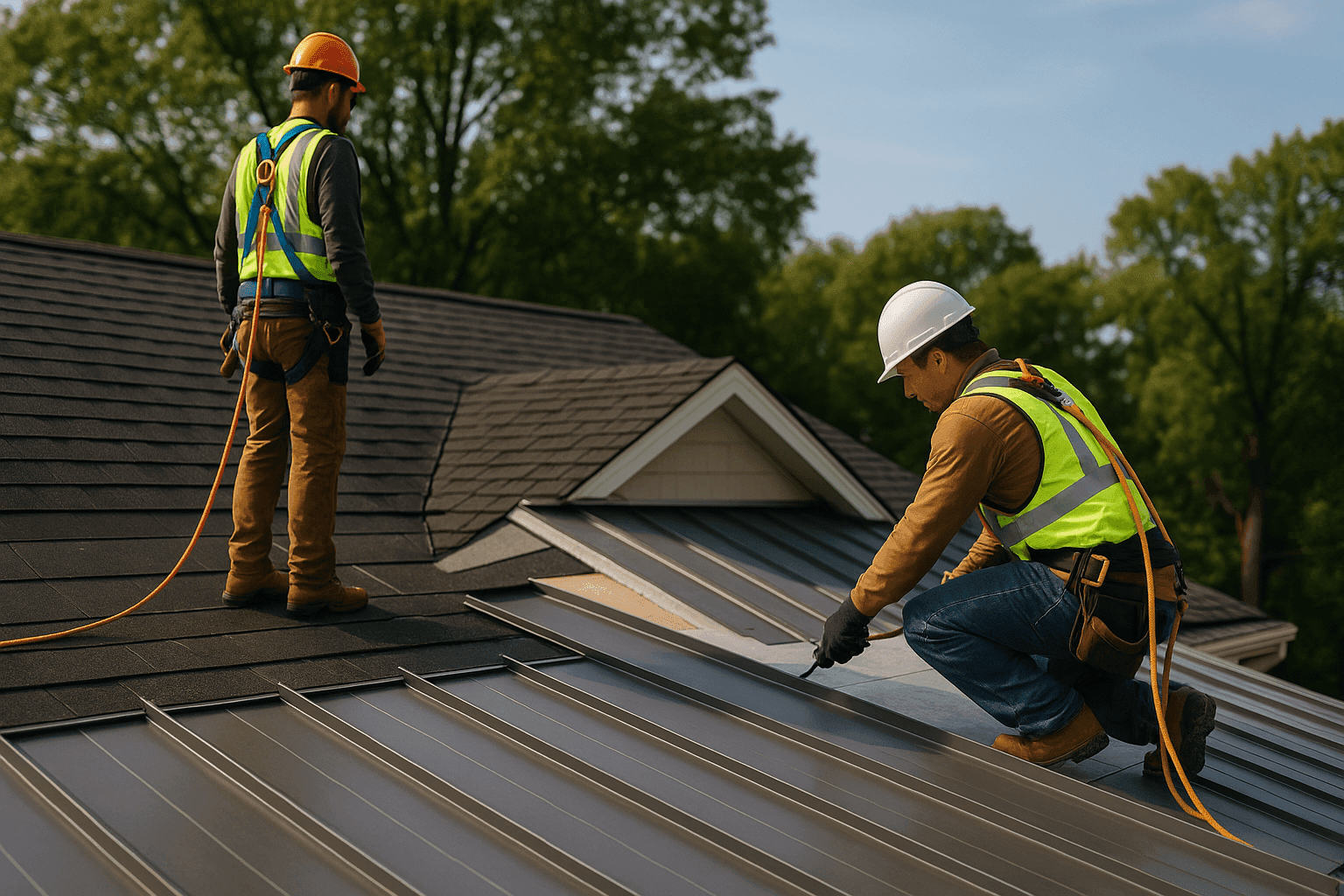
Is your roof showing its age? Maybe you’re dealing with leaks after a wild storm or you see shingles curling up like potato chips in the summer sun. You’re not alone. Roof replacement is one of the biggest investments for any property—residential or commercial. It can feel like a storm cloud hanging overhead. But knowing what drives the cost (and how to plan for it) brings peace of mind.
At Rama Roofing, we understand how stressful emergency roofing can be. We’ve helped families and businesses through everything from minor leaks to full-blown replacements. So let’s break down what goes into the price tag, what you get, and how to make the smartest decisions for your property.
Why Roof Replacement Costs Vary So Much
Think of your roof like the shield of your home or business. Every shield is a different size, shape, and strength. That’s why roof replacement costs can feel all over the map. Here’s what really moves the needle:
- Size of the roof: The bigger the roof, the more materials and labor you need.
- Pitch (steepness): Steep roofs are tougher (and riskier) to work on, so labor costs rise.
- Roof complexity: Multiple levels, valleys, skylights, chimneys, and roof features demand extra skill and time.
- Material choices: Asphalt shingles, metal, tile, and flat roofing each have different price points and lifespans.
- Labor costs: Labor rates vary by location and the experience of the crew.
- Underlying issues: Hidden damage to decking, insulation, or structural elements can add to the bill.
- Access and location: Hard-to-reach roofs or those with limited access need special equipment.
Just like snowflakes, no two projects are identical. But understanding these factors helps you set realistic expectations.
Quick Safety Checklist Before Roof Work 🦺
Safety isn’t just for the pros. Before any roof replacement or repair, keep these essentials in mind:
- Stay off the roof unless you’re trained and equipped.
- Watch for fallen power lines or tree limbs after storms.
- Secure pets and children away from the work area.
- Move vehicles and valuables out of the drop zone.
- Always confirm your roofing contractor follows OSHA safety standards and local building codes.
If there’s an active leak or damage after a storm, act fast. Emergency roofing services exist to keep you safe and dry.
DIY Roof Replacement vs. Calling a Pro
Replacing a roof isn’t like painting a fence. Even seasoned DIYers find themselves in over their heads (and sometimes in the ER). Here’s why:
- Safety: Roofing is one of the most dangerous construction jobs. Falls happen fast.
- Quality: Small mistakes—like a missed nail or shoddy flashing—lead to major leaks.
- Time: A pro crew can do in days what takes a homeowner weeks.
- Code compliance: Permits, inspections, and warranties all require proper paperwork.
If you’re dealing with storm damage, leaks, or anything that can’t wait, emergency roofing services near you are the way to go. For major projects, calling a professional ensures your investment lasts.
What Happens When Pros Arrive
When Rama Roofing arrives, here’s what you can expect:
- Full inspection: We check for visible damage and hidden issues (decking, insulation, flashing).
- Detailed estimate: You get a line-by-line breakdown—materials, labor, prep work, cleanup, and disposal.
- Permitting: We handle the paperwork so your project passes inspection.
- Site prep: Protective tarps, safety barriers, and clean workspace set up.
- Old roof removal: Carefully stripped to the deck.
- Repairs: Any structural or decking issues are addressed.
- New installation: Every layer installed following manufacturer specs and code requirements.
- Cleanup: We magnet-sweep for nails and haul away debris.
You’re not just paying for new shingles—you’re paying for peace of mind and a roof that’s built to last.
Preventative Maintenance: Stretching Your Roof’s Lifespan
An ounce of prevention is worth a pound of repairs. Whether it’s shingle, metal, or flat roofing, regular maintenance saves you money in the long run.
Tips for Preventative Maintenance near you:
- Annual inspections: Catch small problems before they become big headaches.
- Clean gutters and downspouts: Prevent water backup and rot.
- Replace damaged shingles/tiles: Don’t let one small crack invite leaks.
- Sealant and coating checks: Renew as needed, especially on flat or metal roofs.
- Trim overhanging branches: Reduce debris and storm risks.
Invest in simple upkeep now to avoid emergency roofing calls later.
What Really Shapes Roof Replacement Costs
Let’s break down what you’re paying for. No two roofs cost exactly the same, but here’s what goes into the estimate:
1. Roof Size & Pitch
- Average home: 1,500–2,500 square feet.
- Steep roofs: More labor, more time.
2. Material Choices
- Asphalt shingles: Affordable, 15–30 years lifespan.
- Metal roofing: Higher upfront, lasts 40–70 years, reflects heat, eco-friendly.
- Tile roofing: Heavy, beautiful, very durable, but pricier to install and repair.
- Flat roofs: Often require specialized membranes, coatings, and regular inspection.
3. Labor
- Removal of old roof: Disposal fees, extra labor if there are multiple layers.
- Complexity: Skylights, chimneys, valleys, and unique architectural details impact cost.
4. Underlying Damage
- Decking repair: Water damage or rot adds to the bill.
- Insulation & ventilation: Upgrades can improve energy efficiency.
5. Location
- Urban vs. rural: Access, disposal costs, and local labor rates all play a role.
Typical Price Ranges for Popular Materials 💸
Again, no quotes—just ranges for planning purposes:
- Asphalt shingles: Most budget-friendly, commonly $4–$8 per square foot installed.
- Metal roofing: $8–$16 per square foot, but lasts twice as long (sometimes more).
- Tile roofing: $10–$20 per square foot, depending on type and complexity.
- Flat roofs (TPO, EPDM, modified bitumen): $7–$14 per square foot.
Remember: These are ballpark figures. Your estimate may swing higher or lower depending on unique circumstances.
Commercial vs. Residential Roof Replacement
Residential and commercial roofs are cousins, not twins. Here’s what sets them apart:
- Commercial roofs: Often flat or low-slope, requiring specialized membranes, coatings, and drainage. Square footage is usually much larger, and access can be more challenging.
- Residential roofs: More likely to be pitched, with complex shapes and features. Material choices often favor aesthetics as well as function.
Both need quality installation to meet local code and keep occupants safe. For businesses, downtime and disruption matter—fast, safe, and code-compliant work is critical.
Signs It’s Time to Replace (Not Just Repair)
How do you know it’s time for more than a patch job? Watch for these red flags:
- Shingles or tiles are missing, curling, or cracked over wide areas.
- Roof is sagging or feels spongy underfoot.
- Frequent leaks, especially after storms.
- Moss, mold, or rot along valleys or decking.
- Roofing material is past its prime (asphalt: 15–30 years, metal: 40+ years, tile: 50+ years).
- Interior water stains, bubbling paint, or peeling wallpaper.
When in doubt, schedule a professional inspection. Emergency roofing teams can spot trouble before disaster strikes.
What’s Included in a Roof Replacement Quote
A thorough, honest quote should include:
- Removal of old roofing
- Repair or replacement of damaged decking
- Underlayment, flashing, and ventilation upgrades
- Installation of new roof material
- Cleanup and debris removal
- Permits and inspections
- Warranty terms (on materials and workmanship)
Red flags to watch for:
- Vague or lump-sum quotes without clear line items
- High-pressure sales tactics
- Refusal to show proof of insurance or licensing
- No mention of local code compliance
If something feels off, walk away. Your roof deserves better.
Cost-Saving Opportunities Without Cutting Corners
You want value—not just the lowest price. Here’s how to save smart:
- Get multiple quotes: Ensure you’re comparing apples to apples.
- Schedule during off-peak seasons: If possible, avoid the busiest months (late summer/fall).
- Bundle repairs: Gutter, skylight, or insulation upgrades done with your roof replacement often cost less than separate projects.
- Choose materials with long warranties: Sometimes spending a little more upfront means decades of savings.
- Maintain your roof: Small repairs and cleanings delay the need for full replacement.
If you’re facing an emergency, prioritize immediate leak repair—then plan for replacement when the dust settles.
The Value of Quality Materials and Skilled Installation
A roof isn’t just a cover—it’s protection, insulation, and curb appeal. Skimping on materials or hiring unqualified crews can mean:
- Early failure and leaks
- Voided manufacturer warranties
- Code violations and fines
- Lower property value
Quality materials and seasoned installers cost more upfront, but they pay for themselves in peace of mind and years of trouble-free performance. The National Roofing Contractors Association (NRCA) and International Building Code set the standards—make sure your project meets or exceeds them.
When It’s an Emergency (And What to Do)
Storms don’t check your calendar. Neither do leaks. Here’s what to do when the worst happens:
- Move valuables and electronics away from leaks
- Catch water in buckets or bins
- If safe, tarp over the leak from the outside
- Call an emergency roofing service immediately
Rama Roofing offers rapid response for storm, wind, hail, or tree damage. Emergency roofing isn’t just about quick fixes—it’s about protecting your property until a full replacement can be completed.
Frequently Asked Roof Replacement Questions
Q: How long does a roof replacement take?
A: Most residential projects finish in 1–3 days. Larger or more complex roofs, or those needing structural repair, can take a week or more. Weather and material delivery play a role.
Q: Can I be home during the process?
A: Yes, but expect noise and vibrations. Move anything sensitive off the walls, cover valuables, and keep pets and children safe.
Q: Does insurance cover roof replacement?
A: Sometimes—especially for storm or accidental damage. Routine wear and tear usually isn’t covered. Check your policy and ask your adjuster for details.
Q: Should I replace gutters and downspouts at the same time?
A: It’s often wise to bundle gutter and downspout installation or repairs with roof replacement. It saves labor costs and ensures everything works together.
Local and Seasonal Considerations for Roof Replacement 🌦️
Weather matters. Cold, ice, and snow can slow installation and affect how adhesives and sealants perform. Hot summers can be tough on crews (and materials). If you’re in an area prone to hurricanes, hail, or wildfires, choose materials designed for extreme conditions.
Check with your city or county for local building codes—permit requirements and inspection standards vary. Rama Roofing always builds to the latest guidelines for safety and durability.
Ready to Plan Your Project? Here’s Your Next Step
Roof replacement doesn’t have to be a guessing game. Whether you need Preventative Maintenance near you, emergency roofing after a storm, or are planning a new roof for your business, understanding the factors behind cost helps you budget wisely and avoid surprises.
At Rama Roofing, we believe every client deserves clear answers, honest assessments, and long-term value. If you have questions about your roof—or want to schedule an inspection—reach out any time.
Call Rama Roofing now — or reach us anytime at 888-780-7394 .