Commercial Roofing: Best Systems for Offices, Warehouses & Retail
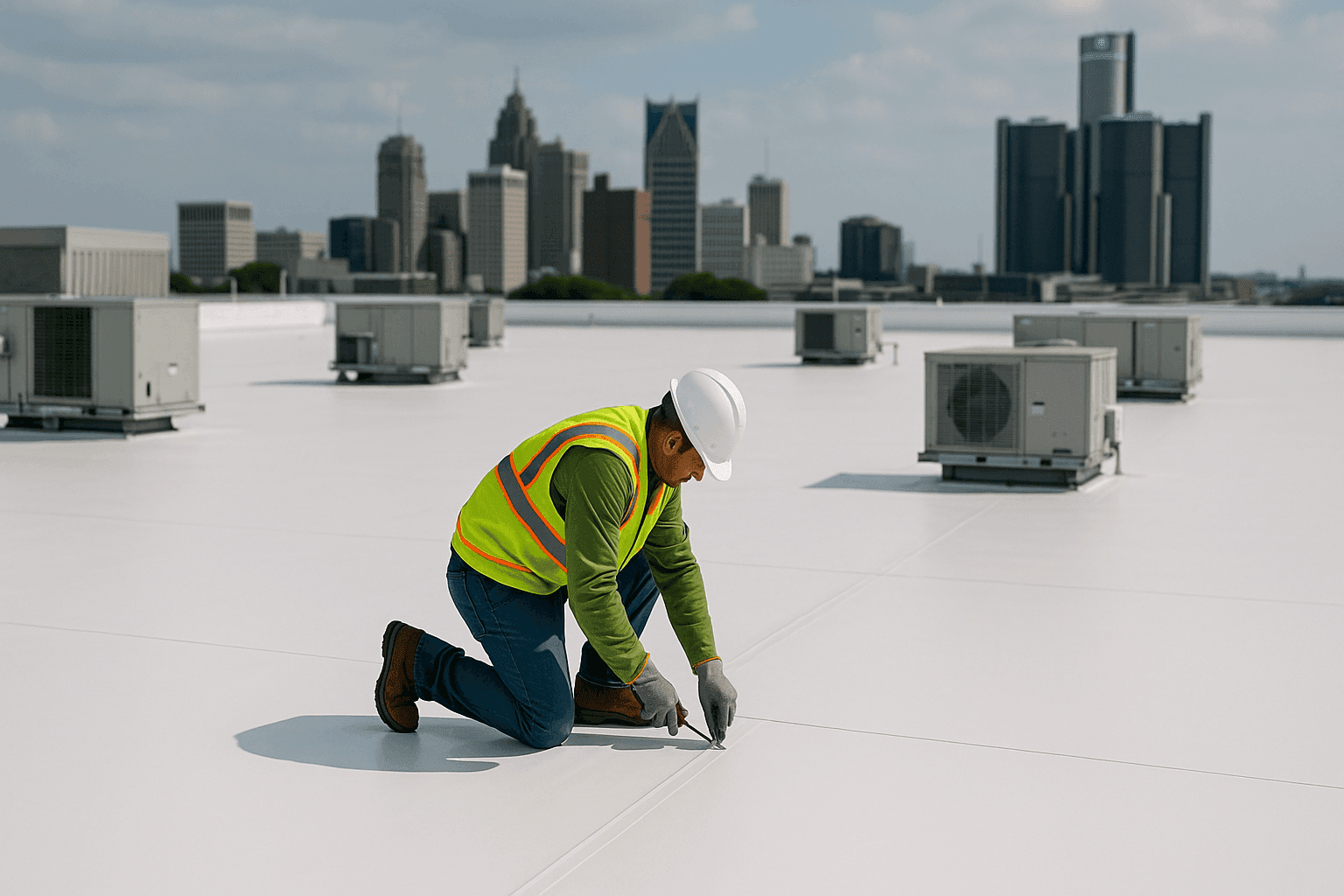
When the roof of your office, warehouse, or retail center is at risk, everything underneath it is too. Even a small leak can snowball—ruined stock, lost data, or endless headaches for your team. At Ramma Roofing, we know how urgent it feels when you’re staring at stained ceiling tiles or puddles near the entryway. You need answers fast, not a sales pitch.
We’re certified installers with decades on the job, handling emergency roofing and storm damage restoration near you—day or night. This guide breaks down commercial roofing options in plain language, so you can make a smart call for your building and budget.
The Scenario: Choosing the Right Roof
Commercial roofs aren’t one-size-fits-all. What works for a warehouse might flop for a bustling retail plaza. Think of your roof like a helmet for your building—wrong fit, and you’re risking safety, efficiency, and dollars.
Here’s what you’re up against:
- Offices need quiet and insulation.
- Warehouses crave durability and easy repairs.
- Retailers want sleek looks and energy savings.
Let’s compare TPO, EPDM, metal, and BUR—the heavy hitters of commercial roofing.
System Pros & Cons 🏢
TPO (Thermoplastic Polyolefin)
- Pros: Highly reflective, resists UV and chemicals, affordable.
- Cons: Can shrink or crack if installed poorly.
- Best for: Offices and retail needing energy-efficient, flat roofs.
EPDM (Ethylene Propylene Diene Monomer)
- Pros: Extremely durable, easy to patch, flexible in cold.
- Cons: Dark surface absorbs heat, can puncture with sharp debris.
- Best for: Warehouses or buildings in cooler climates.
Metal Roofing
- Pros: Lasts decades, fire-resistant, low maintenance.
- Cons: Higher initial cost, can be noisy in rain.
- Best for: Warehouses, retail with visible roofs, modern offices.
BUR (Built-Up Roofing)
- Pros: Multiple layers = tough, good insulation, time-tested.
- Cons: Heavy, slow to install, strong odor during application.
- Best for: Large flat roofs, warehouses, older commercial buildings.
Lifespan: How Long Will It Last?
- TPO: 15–25 years (with proper care)
- EPDM: 20–30 years
- Metal: 40+ years (sometimes 50)
- BUR: 20–30 years
Regular inspections matter more than the brochure number. Weather, foot traffic, and maintenance all play a part.
Maintenance Requirements 🛠️
A roof is like a car—ignore it, and repairs get expensive. Here’s what to expect:
- TPO/EPDM: Annual inspections, routine debris removal, resealing seams as needed.
- Metal: Occasional rust checks, repainting, tight bolts.
- BUR: Watch for blisters, ponding water, loose gravel.
Ramma Roofing offers maintenance plans with checklists tailored to each system—helping you catch issues before they spiral.
Energy Efficiency: Keep Costs Down
- TPO: White surface reflects sunlight, reducing AC bills. EPA rates it highly for cool roofs.
- EPDM: Dark, soaks up heat, but can be ordered in white for sunbelt zones.
- Metal: Reflects solar energy, and can be fitted with cool roof coatings.
- BUR: Thick insulation, but older installs may lack modern efficiency.
Want to shrink your carbon footprint? Ask about eco-friendly coatings and recycled materials options.
Offices, Warehouses & Retail: What’s Best?
- Offices: TPO for energy savings and a quiet workspace, or metal for a modern touch.
- Warehouses: EPDM for its toughness and easy repair, or BUR if you need extra insulation.
- Retail: TPO or metal—sleek, clean, and eye-catching for customers.
Tip: Consider foot traffic (think HVAC techs or sign installers). Some roofs handle boots better than others.
Quick Safety Checklist
Before tackling any roof issue, keep these basics in mind:
- Never walk a wet or icy commercial roof.
- Turn off rooftop utilities before inspection.
- Use proper fall protection (harnesses, railings).
- Log all roof access and issues for insurance.
- Call certified pros for any structural concern.
Reference: OSHA’s Fall Protection Standards
DIY vs. Call a Pro 🧰
Commercial roofs are tricky. DIY may save a buck now, but a misstep can cost thousands—or void your warranty.
DIY:
- Clearing debris, simple gutter checks
- Spotting obvious leaks
Pro:
- Full inspections (infrared, moisture checks)
- Flashing, membrane, and structural repairs
- Emergency roofing after storms
Ramma Roofing’s certified crews use industry-standard safety gear and follow manufacturer guidelines.
What Pros Do On Arrival
Picture this: You call in for a leak. Here’s what happens next.
- Assessment: Visual and hands-on inspection—inside and out.
- Documentation: Photos, notes, and moisture readings.
- Emergency Stabilization: Temporary patches or tarps if needed.
- Repair Plan: Detailed steps, materials, and timelines.
- Code Compliance: All fixes follow local building codes and safety rules.
We’ve helped businesses bounce back after tornadoes, hail, and summer downpours—restoring roofs without disrupting your workday.
Prevention & Maintenance Plans
Think of maintenance as your roof’s yearly check-up. Here’s how to keep surprises at bay:
- Schedule annual or semi-annual inspections.
- Clear drains, gutters, and downspouts.
- Check for cracks, splits, or loose flashing.
- Keep roof access limited and logged.
- Document all repairs (helpful for insurance claims).
The National Roofing Contractors Association recommends regular maintenance to double your roof’s lifespan.
Costs & Time Factors 💸
No two roofs—or budgets—are the same. Here’s what shapes your final bill:
- Size & complexity: Bigger roofs, more details, more labor.
- Material: TPO and EPDM cost less up front; metal and BUR last longer.
- Access: Rooftop clutter, HVAC units, and parapets can add time.
- Repair vs. replace: Small leaks are quick; full replacements take days or weeks.
Unexpected storm damage? Ramma Roofing offers emergency roofing and storm damage restoration near you, keeping downtime minimal.
When It’s an Emergency
Water pouring in? Ceilings sagging? Here’s what to do right now:
- Move valuables and electronics away from leaks.
- Mark wet areas for insurance photos.
- Place buckets or tarps if safe.
- Call Ramma Roofing for 24/7 emergency roofing response.
Our crews arrive ready—flashing lights, safety cones, and the right tools for immediate action.
FAQ
How often should I inspect my commercial roof?
Twice a year (spring and fall), plus after any major storm.
Do I need a new roof or just a repair?
If leaks are localized and the membrane is sound, repairs may suffice. Widespread damage, persistent leaks, or old age? Replacement might be smarter.
What’s the safest roof for snowy climates?
Metal roofs shed snow easily. EPDM is also reliable—just clear snowdrifts to prevent overload.
Will insurance cover storm damage?
Most policies cover sudden storm damage, but you’ll need documentation and prompt reporting. Ramma Roofing helps with assessments for claims.
Local & Seasonal Considerations 🏙️
- Heat: White TPO or coated metal roofs cut cooling costs in hot regions.
- Cold: EPDM and BUR hold up in freeze/thaw cycles.
- Storms: Secure flashings and schedule post-storm inspections—especially in hail or hurricane zones.
- Wildfire risk: Metal offers fire resistance and peace of mind.
Building codes may require specific fire ratings, drainage systems, or insulation levels. Our team stays current with all local requirements.
A solid roof is your building’s first line of defense. Whether you manage a warehouse, office park, or boutique shop, the right system saves money, energy, and worry. Ramma Roofing is here with certified crews and real-world experience—ready for emergencies, repairs, or new installs.
Call Ramma Roofing now — or reach us anytime at 888-780-7394 .