How to Inspect Your Roof for Hidden Damage After Severe Weather
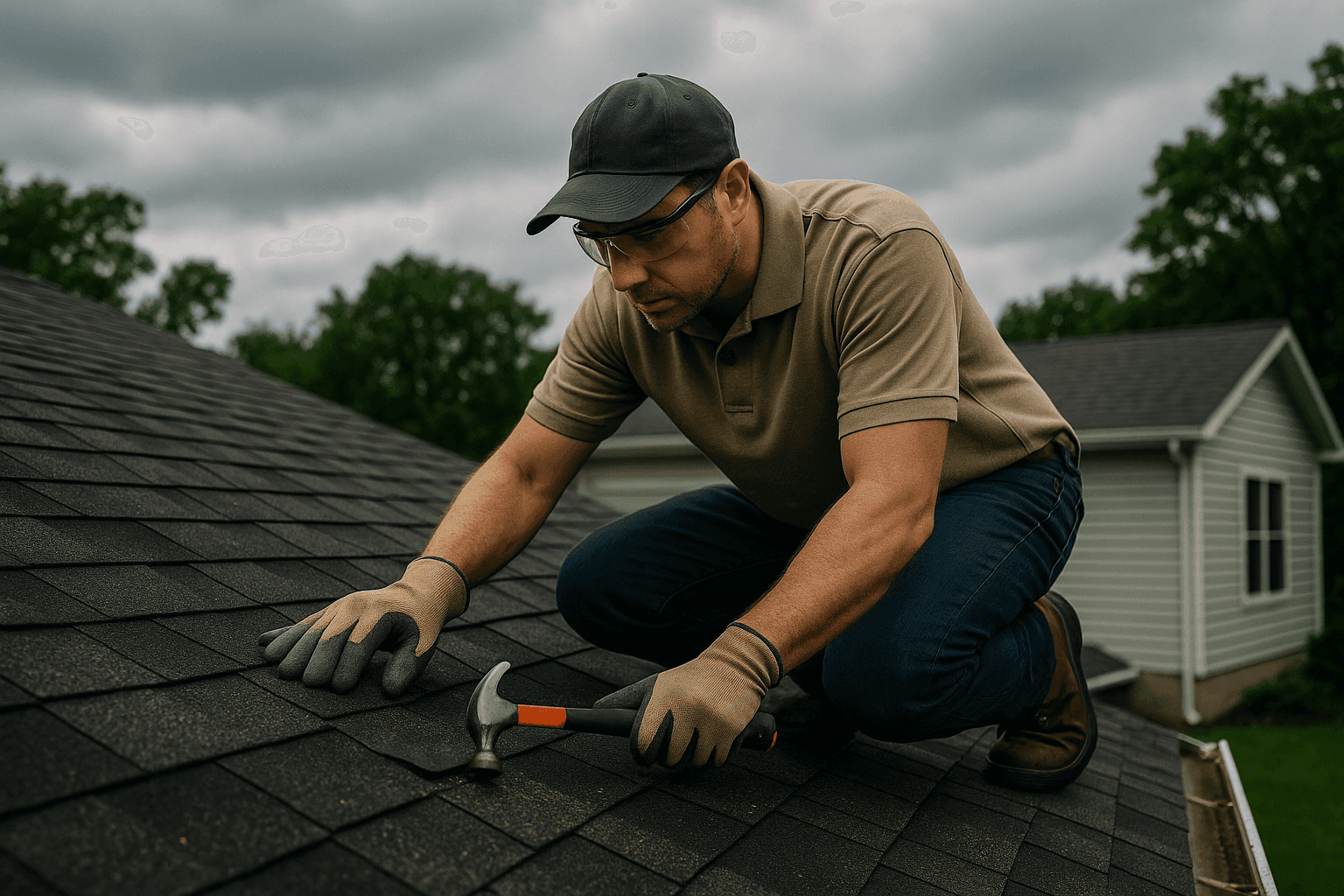
When the sky finally clears after a brutal storm, relief is natural. But for homeowners and small business owners, that sigh of relief can be short-lived. Hidden roof damage likes to lurk where you least expect it—waiting to turn a small drip into a big, expensive headache.
At Rama Roofing, we know that what you can’t see can hurt you. Fast, careful inspection after severe weather isn’t just a good idea—it’s your best defense against costly repairs and bigger emergencies down the line.
Why Inspect After Severe Weather?
Severe weather is like a surprise pop quiz for your roof. Heavy rain, high winds, hail, or snow can all create problems you might not notice right away. Shingles can slip, flashing can peel, gutters can clog or break free. Sometimes, it’s obvious—a missing shingle waving at you from the lawn. Other times, leaks start small, like a slow drip behind the walls.
Ignoring roof damage is like ignoring a toothache. It never gets better on its own. The longer you wait, the worse (and more expensive) it can get.
Quick Safety Checklist Before You Start 🦺
Before you grab a ladder, take a breath. Safety comes first. Here’s how to stay safe while checking your roof:
- Wait for clear weather. Wet, icy, or windy conditions make roofs slippery and dangerous.
- Use sturdy shoes. Rubber-soled shoes grip better and help prevent slips.
- Check your ladder. Make sure it’s stable, on level ground, and extends at least three feet above the roof edge.
- Don’t go alone. Always have someone nearby in case you need help.
- Avoid steep or high roofs. If your roof is very steep or high, stay on the ground and use binoculars—or call a pro.
- Watch for power lines. Keep ladders and tools away from electrical hazards.
The National Roofing Contractors Association (NRCA) recommends homeowners avoid walking on roofs whenever possible. Leave risky climbs to trained professionals.
What To Look For: The Essential Roof Inspection Checklist
Hidden damage can be sneaky. Here’s how to spot the most common problems after a storm:
Shingles & Tiles
- Missing or broken shingles/tiles: Look for bare spots or pieces on the ground.
- Curling, cracking, or lifting: These are signs of wind or water damage.
- Granule loss: Check gutters for shingle granules—like sand or gravel. Excess means shingles are aging or damaged.
Flashing & Sealants
- Damaged flashing: Inspect metal strips around chimneys, skylights, and valleys for bends, rust, or gaps.
- Worn sealants: Look for cracked or missing caulk around roof features.
Gutters & Downspouts
- Loose, bent, or detached gutters: These can cause water to pool near your foundation.
- Clogs: Debris buildup can block water flow and cause leaks.
- Downspout issues: Make sure downspouts are connected and directing water away from the building.
Attic & Ceilings
- Water stains on ceilings or walls: Yellow or brown spots signal leaks.
- Damp insulation: Wet insulation loses effectiveness and can lead to mold.
- Musty smells: Odors in the attic may mean hidden moisture.
Skylights, Chimneys, & Vents
- Cracked glass or seals: Check skylights for damage.
- Loose chimney caps or flashing: Chimneys are leak magnets if not properly sealed.
- Blocked or damaged vents: These can cause moisture buildup inside your home.
Subtle Signs
- Sagging roof deck: If the roofline looks wavy, structural damage could be brewing.
- Popped nails or screws: Fasteners sticking up can let water sneak in.
- Paint peeling near the roofline: This often means water is getting behind walls.
DIY vs. Call a Pro: Knowing Your Limits
Some things you can spot from the ground or with binoculars. But climbing up for a close look? That’s risky. If you notice:
- Large areas of missing shingles or tiles
- Visible sagging or soft spots
- Water actively dripping inside
- Damage near electrical lines or solar panels
…it’s time to call in emergency roofing professionals. Roofers are trained to spot subtle damage and know what’s safe to repair right away.
For basic inspections, stay on the ground. Use your eyes and a camera or phone to zoom in. Save the risky stuff for those with the right gear and training.
What Pros Do On Arrival
When Rama Roofing’s emergency team arrives, here’s what you can expect:
- Thorough visual inspection: We check every inch of the roof, gutters, flashing, and attic.
- Moisture detection: Using industry tools, we find leaks hidden behind walls or under shingles.
- Photographic documentation: We take clear photos of all damage for your records and insurance claims.
- Temporary protection: If needed, we’ll tarp or seal off leaks to prevent further water intrusion.
- Written assessment: You’ll get a summary of what’s wrong and recommended next steps.
Our approach follows guidelines from the International Association of Certified Home Inspectors (InterNACHI) and OSHA safety standards.
How To Document Damage for Insurance Claims
If you spot damage, don’t just tell—show. Here’s how to make your claim process smoother:
- Take clear, dated photos: Wide shots and close-ups help tell the story.
- Keep notes: Write down what you see, when you found it, and what the weather was like.
- Save repair receipts: Even for temporary fixes.
- Contact your insurance company: The sooner, the better. They may send an adjuster to inspect.
Most insurance policies require timely reporting. Waiting can hurt your chances of coverage.
Prevention & Maintenance: Your Roof’s Best Friend 🛡️
The best roof repairs are the ones you never need. After every major weather event:
- Clean gutters and downspouts: Blocked drainage is a top cause of leaks.
- Trim overhanging branches: These can scrape or puncture shingles in high winds.
- Schedule regular inspections: Twice a year is a good rule—spring and fall.
- Upgrade with eco-friendly options: Modern sealants, coatings, and insulation can boost efficiency and resilience.
Preventative maintenance isn’t just about avoiding leaks. It helps your roof last longer, keeps your warranty intact, and saves money over time.
Costs & Time Factors: What To Expect
Roof inspections and repairs can vary. Here’s what typically affects cost and timing:
- Type of roof: Shingle, metal, tile, or flat roofs all have different needs.
- Extent of damage: Minor repairs are quick; structural or widespread damage takes longer.
- Accessibility: Steep or high roofs require special equipment and more time.
- Materials needed: Some repairs need custom parts or specialty sealants.
Most basic inspections take a few hours. Emergency repairs may start right away but full restoration can take days, depending on the weather and material availability.
When It’s an Emergency
Some damage just can’t wait:
- Active leaks inside your home or business
- Sagging or collapsing roof sections
- Exposed wood or insulation
- Electrical hazards from water intrusion
If you see these signs, call for emergency roofing help immediately. Cover valuables, move electronics, and avoid affected rooms if possible. Quick action can prevent bigger losses.
FAQ: Common Questions About Post-Storm Roof Inspections
How soon should I inspect my roof after a storm?
As soon as it’s safe. The faster you spot problems, the less chance water has to cause more damage.
Can I inspect my roof myself?
You can spot obvious issues from the ground, but avoid climbing unless you’re trained. Professionals have the tools and safety training to do it right.
What if I don’t see any damage?
Hidden damage is common. If you suspect something’s wrong—like new stains or musty smells—get a professional inspection.
Will my insurance cover storm damage?
Most policies cover sudden, weather-related damage. Document everything and contact your insurer promptly.
Special Considerations for Roof Inspections After Storms
- Flat roofs: These are prone to pooling water and hidden leaks. Check for standing water and soft spots.
- Skylights and chimneys: These are weak points—inspect seals and flashing closely.
- Older roofs: Age can make materials brittle and more likely to fail under stress.
- Commercial buildings: Larger surface areas and complex drainage require specialized inspection.
Always follow Occupational Safety and Health Administration (OSHA) guidelines for any work at heights. When in doubt, call in the pros.
Call Rama Roofing now — or reach us anytime at 888-780-7394 .