Roof Replacement Cost Guide: Factors, Estimates & Savings
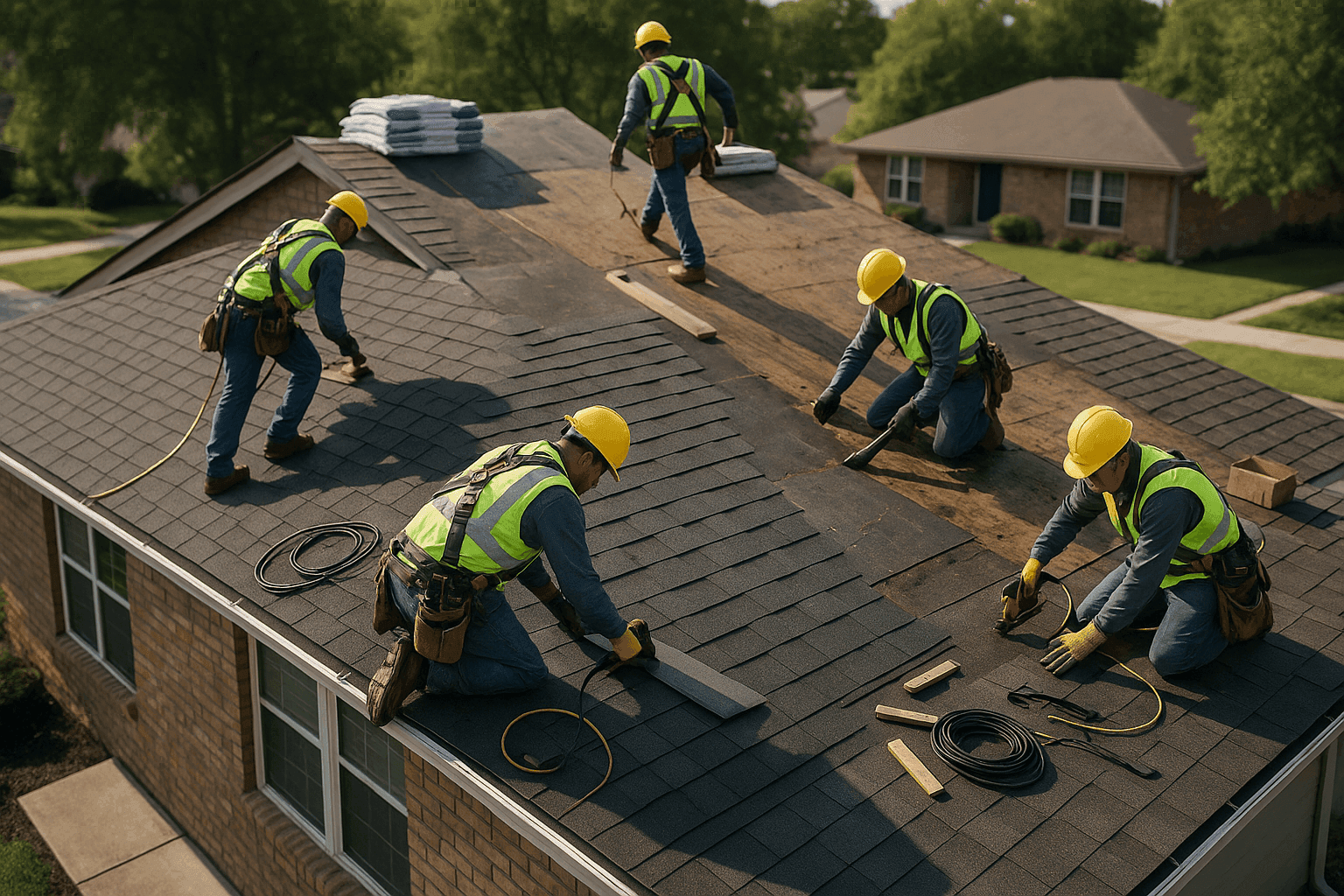
When water drips from your ceiling, time slows to a crawl. You’re not thinking about square footage, insulation, or code compliance—you just want your life back under a safe, dry roof. At Ramma Roofing, we get it. Every hour matters during an emergency roofing crisis.
If you’re facing a roof replacement, you might be feeling overwhelmed by all the moving parts: costs, materials, bids, and timing. This guide breaks it down into clear, honest pieces. No runaround. Just what to expect, what drives the price, and how to plan smart.
What Really Drives Roof Replacement Costs?
Replacing a roof isn’t one-size-fits-all. It’s more like ordering a pizza: size, toppings, crust, special requests—each choice changes the final bill.
Here’s what goes into your price:
- Material: Shingle, metal, tile, or flat roof options all have their own price points.
- Size: Bigger roofs mean higher costs—both in materials and labor.
- Pitch: Steep roofs are trickier (and riskier) to work on.
- Labor: Experience, crew size, and local demand matter.
- Tear-Off: Removing old layers adds time and disposal fees.
- Underlayment & Decking: Hidden water damage may mean more work.
- Extras: Skylights, chimneys, custom flashing, and ventilation all add complexity.
- Location: Local building codes, permit fees, and disposal rules can change the bottom line.
Think of it like building a sandwich: the bread is your decking, the meat is the main roofing material, and every extra (chimney, skylight, vent) is another layer.
Residential vs. Commercial Roof Cost Factors 🏠🏢
Residential and commercial roofs may seem similar, but the details can be worlds apart.
Residential Roofs:
- Usually pitched (angled), requiring safety harnesses and extra care.
- Most common materials: asphalt shingles, tile, or metal.
- Easier access, but more details—chimneys, skylights, gutters.
- Average size: 1,500–3,000 square feet.
Commercial Roofs:
- More often flat or low-slope, but may be much larger.
- Materials: Single-ply (TPO/PVC/EPDM), built-up roofing, metal panels.
- Complicated drainage and insulation systems.
- Often require specialized equipment (cranes, lifts).
Sample Price Ranges (2025 averages):
- Residential Shingle: $4–$7 per sq. ft.
- Residential Metal: $9–$14 per sq. ft.
- Flat Commercial: $6–$11 per sq. ft.
- High-end Tile/Slate: $12–$25+ per sq. ft.
Note: These numbers don’t include surprises like rot, code upgrades, or unique architectural features.
How to Compare Bids (and Spot Red Flags)
Getting multiple quotes is smart—just like you wouldn’t buy a car without shopping around.
What to Look For:
- Line-item breakdowns (materials, labor, extras)
- Clear explanation of tear-off and disposal
- Details on underlayment, flashing, and ventilation
- Insurance and licensing info
- Timeline and payment schedule
Red Flags:
- Vague or missing details
- Cash-only or pressure to sign “today”
- No mention of building code compliance
- No insurance or vague answers about crew training
Tip: Always ask what happens if hidden damage is found. Reputable pros won’t shy away from tough questions.
Opportunities to Save on Roof Replacement
A new roof is an investment, but there are ways to stretch your dollar.
- Schedule in the Off-Season: Late fall or early winter may mean lower demand, which can lead to better pricing and more flexible scheduling.
- Insurance Claims: Storm damage restoration near you could be covered (in part) by your policy—especially for hail, wind, or tree impacts. Check your homeowner’s policy and document everything.
- Material Choices: Architectural shingles cost more upfront, but may last longer and reduce future maintenance.
- Preventative Maintenance: Address small leaks, clean gutters, and schedule regular inspections to avoid big-ticket repairs later.
- Energy Efficiency: Upgrades like better insulation, cool roof coatings, or improved ventilation can lower future utility costs.
Quick Roof Safety Checklist ✔️
Before any work starts (DIY or pro), make sure these basics are covered:
- Shut off attic power if there’s water intrusion.
- Keep pets and people clear of the work zone.
- Mark hazards (skylights, vents, satellite dishes).
- Review local building codes (OSHA, International Building Code).
- Confirm all permits are in place.
- Secure ladders and tools before use.
Safety isn’t optional. Falls and electrical hazards are real risks. When in doubt, call a professional.
DIY vs. Call a Pro: When to Tackle It Yourself
Some repairs—like cleaning gutters or replacing a single shingle—are within reach for a handy homeowner.
But for most full roof replacements, here’s why it’s smart to call in pros like Ramma Roofing:
- Safety: Roof work is high up, slippery, and unpredictable.
- Code compliance: Local laws set strict rules on materials, venting, and fire ratings.
- Warranty: Many manufacturers only honor warranties if the roof is installed by certified crews.
- Speed: What takes a pro crew one day might take you a week (or more).
If you’re unsure, get a professional inspection first. It’s like having a mechanic check your brakes before a big road trip.
What Pros Do On Arrival
Once you book emergency roofing or planned replacement, here’s what to expect from a professional crew:
- Initial inspection: Check for visible and hidden damage (decking, flashing, insulation, vents).
- Set up safety barriers: Protect people, landscaping, and property.
- Tear-off: Remove old roofing, inspect for rot or mold.
- Decking/underlayment: Replace or reinforce as needed.
- Install new roof: Material, flashing, and sealants—all according to manufacturer specs.
- Clean up: Haul away debris, run magnets for nails, inspect gutters.
- Final walkthrough: Explain warranties, care tips, and answer any questions.
A well-run crew leaves your property cleaner—and safer—than they found it.
Preventative Maintenance: The Key to Roof Longevity 🛠️
Think of your roof like a car’s engine—it needs regular attention to run its best.
- Annual inspections: Catch problems early.
- Gutter cleaning: Prevent water backup and ice dams.
- Sealant and flashing checks: Stop leaks before they start.
- Trim nearby trees: Prevent impact and abrasion.
- Attic ventilation: Reduces heat buildup and moisture that lead to premature aging.
Most warranties require proof of maintenance, so keep records and receipts.
Roof Replacement Costs & Time Factors
No two roofs are exactly alike, but here’s a breakdown of what to expect:
Main Cost Drivers:
- Material: Shingles, metal, tile, or flat roof systems.
- Size: More area = more cost.
- Pitch: Steepness increases labor time and risk.
- Tear-off: Removing multiple layers adds cost and time.
- Complexity: Skylights, chimneys, and valleys raise the difficulty.
- Access: Tight spaces or tall buildings may require extra equipment.
Typical Timeframes:
- Simple residential roof: 1–2 days (good weather, easy access)
- Large or complex roof: 3–5 days
- Commercial flat roof: 5–10 days, depending on size and weather
Example Scenarios:
- 1,800 sq. ft. asphalt shingle roof: $7,200–$12,600
- 2,500 sq. ft. metal roof with skylights: $22,500–$33,000
- 10,000 sq. ft. commercial flat roof: $60,000–$110,000
These are sample ranges only. Local labor rates, disposal fees, and extras can shift your final total.
When It’s an Emergency: Fast, Safe Action
If your roof is leaking during a storm, or you spot missing shingles after hail, don’t wait. Emergency roofing services are built for speed and safety.
What to do:
- Move valuables away from leaks.
- Place buckets or tarps to catch water.
- Don’t climb on a wet or damaged roof.
- Call Ramma Roofing for urgent help—24/7.
What we do:
- Temporary tarp install to prevent further damage.
- Fast assessment for insurance documentation.
- Plan for permanent repairs or replacement as soon as weather allows.
Most insurance companies require prompt action to prevent further loss. Document everything with photos.
FAQ: Roof Replacement Questions
How long will a new roof last?
Most asphalt shingle roofs last 20–30 years, metal 40–70 years, and tile/slate even longer. Regular maintenance and quality installation are key.
Does insurance cover roof replacement?
If damage is due to a covered “peril” (storm, fire, fallen tree), your policy may cover all or part of the cost. Routine wear and tear is usually not covered.
How do I know if I need a full replacement?
Multiple leaks, missing shingles, sagging, or visible rot are all signs it’s time. A pro inspection will confirm.
Can I stay home during the work?
Usually, yes. Expect some noise and vibration, but you can remain inside for most projects.
Local & Seasonal Considerations 🌦️
Roofing costs aren’t just about materials—they’re shaped by your climate and the calendar.
- Storm-prone areas: More frequent repairs, higher insurance costs, and stricter building codes (see FEMA and local ordinances).
- Cold climates: Ice dams and freeze-thaw cycles mean special underlayments and ventilation.
- High heat: UV-resistant materials and extra insulation may add to upfront costs but save on cooling bills.
- Busy season: Late spring and summer can mean longer wait times and higher prices. Off-season projects may be more affordable.
Always check with your local building department for code updates and permitting requirements. The International Roofing Expo and National Roofing Contractors Association offer helpful resources for up-to-date safety and installation practices.
Ready for clear answers and a fair, detailed estimate?
Call Ramma Roofing now — or reach us anytime at 888-780-7394 .