Shingle Roofing: Types, Lifespan, and Best Maintenance Tips
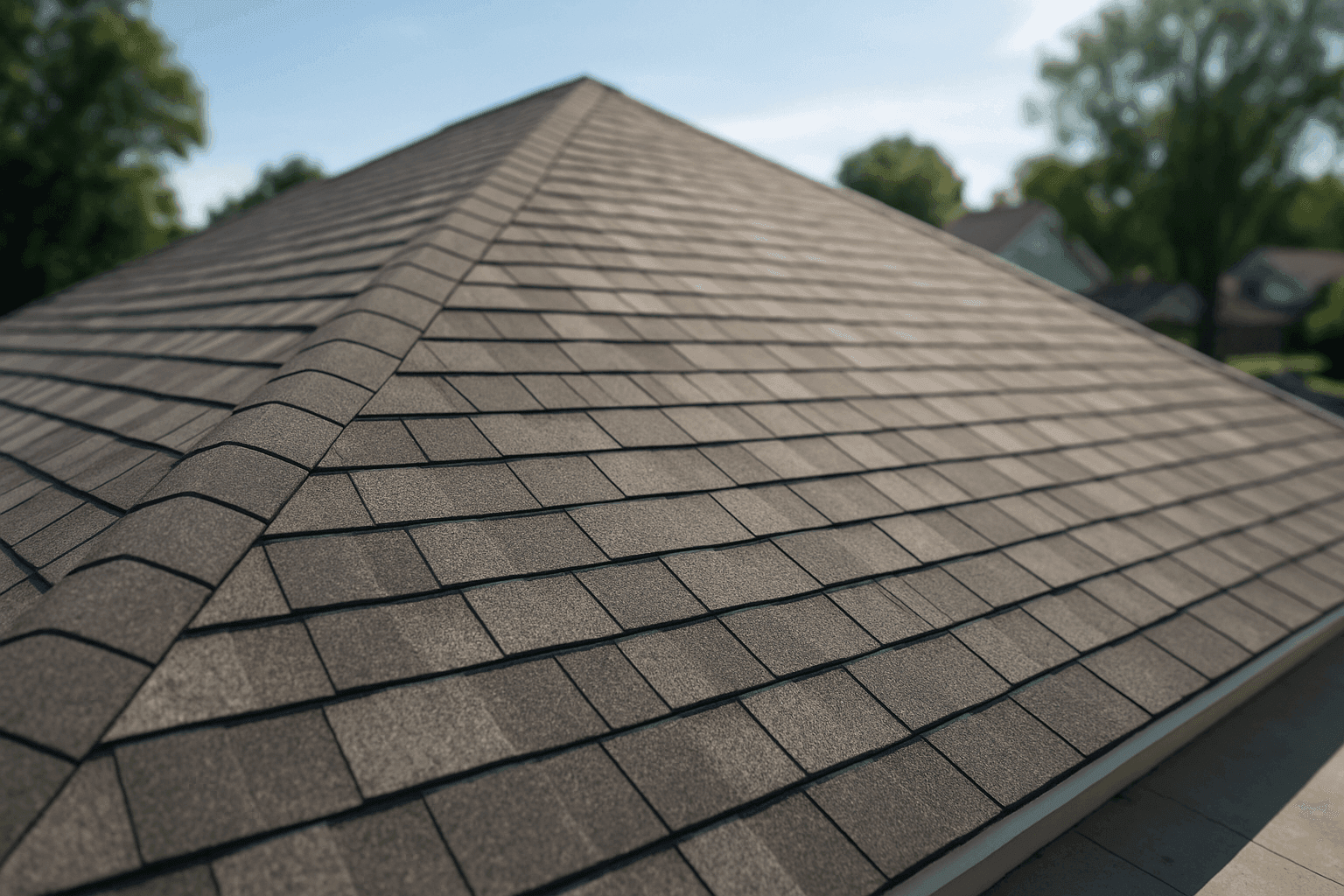
When a storm hits, your roof stands between you and the weather. Shingle roofing can take a real beating—sometimes all at once, sometimes quietly over years. Many home and business owners don’t realize their shingles are aging until leaks form or shingles start to curl at the edges.
At Ramma Roofing, we know how urgent it feels to keep your property safe and dry. Whether you’ve just had hail, wind, or you’re thinking ahead for regular upkeep, understanding your shingle roof’s needs is key to avoiding costly surprises.
Choosing the Right Shingles
Think of your shingles as armor plates for your building. The right choice makes all the difference in how well your roof stands up to weather, sun, and time. Here’s a look at the most common types:
Asphalt Shingles
These are everywhere for good reason. Asphalt shingles are affordable, easy to install, and come in a rainbow of colors. There are two main types:
- 3-Tab Shingles: Flat, single-layered, and lightweight. They look uniform, like fish scales, and are budget-friendly. Expect 15–20 years of service in most climates.
- Architectural (Dimensional) Shingles: Thicker, layered, and more textured. They mimic the shadow lines of wood shakes and usually last 20–30 years.
Both types stand up well to moderate storms. But if you live in a region where hail is common or wind gusts top 60 mph, ask about impact-rated shingles. Manufacturers like GAF and Owens Corning publish ratings based on ASTM D7158 and UL 2218 standards—these indicate how well shingles withstand wind and impact.
Premium Shingles
Want more curb appeal or extra longevity? Designer shingles, also called luxury or premium, are heavier and often resemble slate or tile. They last longer—sometimes up to 40 years—but cost more.
Metal and Eco-Friendly Options
While not “shingles” in the traditional sense, metal roofing and recycled synthetic shingles are rising in popularity for both commercial and residential roofs. They can last 40–70 years, are lightweight, and handle extreme weather with ease.
Regular Maintenance Tips 🛠️
A little attention goes a long way. Think of roof maintenance like dental checkups—skipping them leads to much bigger problems down the road. Here’s what Ramma Roofing recommends for shingle roofs:
- Inspect Twice a Year: Spring and fall are best. Look for missing, cracked, or curled shingles, and check gutters for granule buildup.
- Clear Debris: Leaves, branches, and dirt trap moisture. Sweep or blow them off (but be careful on the ladder).
- Gutter Cleaning: Clogged gutters cause water to back up under shingles. Clean at least twice a year.
- Trim Overhanging Branches: Tree limbs scraping your roof are like sandpaper—shingles wear out fast.
- Check Flashing and Seals: Around chimneys, vents, and skylights, look for rust, gaps, or loose caulking.
Keep safety in mind. If you’re not comfortable getting up there, call for help. Many injuries happen during routine roof checks.
Signs Your Shingles Need Replacing
Your roof won’t shout for help, but it will whisper. Watch for these signals:
- Bald Spots: Missing granules expose the black mat underneath.
- Curling or Buckling: Edges turn up or the shingle warps.
- Cracked Shingles: Often from wind or age.
- Dark Streaks: Algae growth, more common in humid areas.
- Leaky Attic: Water stains, mold, or musty smells indoors.
- Shingles on the Ground: Obvious, but easily missed after a storm.
If you spot one or more, it’s time for an inspection. The National Roofing Contractors Association (NRCA) recommends full roof checks after severe weather, especially hail or high winds.
How to Extend Your Roof’s Life
Want to get every year you can out of your roof? It’s less about luck and more about routine care.
- Schedule Professional Inspections: Even if you check yourself, a certified roofer sees what most people miss.
- Address Repairs Promptly: Small leaks turn into big rot if ignored.
- Upgrade Attic Ventilation: Trapped heat and moisture cook shingles from below. Proper airflow extends shingle life.
- Choose the Right Materials: When replacing, ask about Class 4 impact-resistant shingles and proper underlayment for your climate.
- Storm Damage Restoration Near You: After major weather events, get emergency roofing help fast. Quick dry-ins and tarping prevent further interior damage.
Real-World Example
Last winter, a local business called us after a windstorm peeled back several rows of 3-tab shingles. They thought only a patch was needed, but our inspection revealed widespread granule loss and aging underlayment. By opting for architectural shingles and better attic insulation, they solved the immediate problem and set themselves up for decades of worry-free protection.
Manufacturer Data & Certified Roofer Insights
Manufacturers like CertainTeed and Malarkey publish product lifespans and installation guides. According to the Asphalt Roofing Manufacturers Association (ARMA), proper shingle installation and attic ventilation are the two most important factors for longevity. Ramma Roofing’s certified team always follows International Building Code (IBC) and Occupational Safety and Health Administration (OSHA) safety standards on every job.
Costs & Time Factors
How much does shingle roofing cost? It depends on type, roof size, and local labor rates. Here’s what to expect:
- 3-Tab Shingles: Least expensive, often fastest to install—usually 1–2 days for average homes.
- Architectural Shingles: Slightly more, but longer-lasting and better-looking.
- Premium Shingles: Higher upfront cost, but lower replacement frequency.
Emergency roofing repairs after a storm may cost more due to urgency and complexity. But catching problems early saves big over time.
When It’s an Emergency 🚨
Storms don’t wait for business hours. If you have:
- Sudden leaks during rain
- Shingles blown off in a storm
- Tree limbs on your roof
- Water dripping from light fixtures
Call for emergency roofing services. Quick action—like tarping or temporary repairs—can keep interior damage to a minimum. Ramma Roofing is always ready for urgent calls, 24/7.
FAQ
How often should I replace my shingle roof?
Most asphalt shingle roofs last 20–30 years. But severe weather, poor ventilation, or improper installation can shorten that window. If your roof is over 15 years old, schedule annual inspections.
Can I replace just a few damaged shingles?
Yes, for minor damage—if the rest of the roof is in good shape. But if you see widespread curling, bald spots, or granule loss, a full replacement is smarter.
What’s the best way to keep my roof healthy?
Routine inspections, quick repairs, keeping gutters clean, and trimming trees nearby. And don’t ignore the attic—ventilation matters.
Local & Seasonal Considerations
Shingle lifespans vary by region. Hot sun, heavy snow, or salty coastal air each pose unique challenges. For example:
- Northern Climates: Ice dams can lift shingles. Use proper underlayment and attic insulation.
- Wind-Prone Areas: Choose high-wind-rated shingles per UL 2390 and ASTM D3161.
- Humid Regions: Algae-resistant shingles help prevent black streaks.
Ask Ramma Roofing about options best suited for your area and building type.
A strong roof means a safe, dry home or business. If you’re seeing signs of wear—or just want peace of mind—don’t wait. Call Ramma Roofing now — or reach us anytime at 888-780-7394 .