Tile Roofing: Pros, Cons, and Maintenance for Lasting Beauty
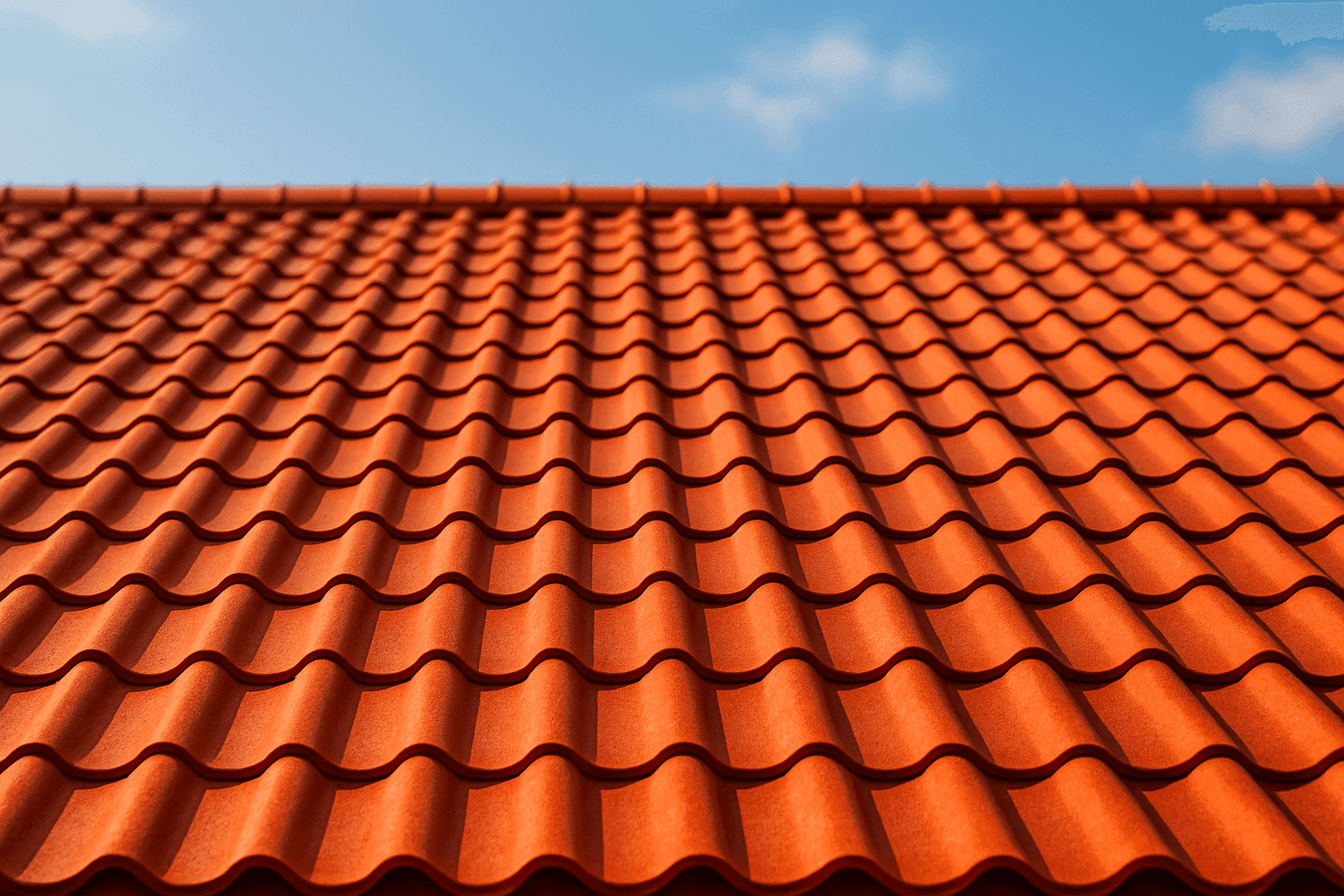
Tile roofing has a timeless look. It brings a touch of old-world charm, whether you’re renovating a historic home or building a modern office. But even the most beautiful tile roof isn't just about looks—it's a shield, a silent guardian against storms, sun, and time itself.
At Ramma Roofing, we know tile roofs inside and out. We see their strengths. Their quirks. And what it takes to keep them going strong, year after year. Let’s break down what makes tile roofing so appealing—and what it takes to keep yours lasting for decades.
Why Choose Tile Roofing? The Big Picture
Tile roofs are like stone castles for your home or business. Clay and concrete tiles—these are the main players—are tough, resilient, and can shrug off storms that would rattle other materials. They’re popular for more than just curb appeal:
- Durability: Clay and concrete tiles can last 50–100 years or more, outpacing most other roofing types.
- Energy Efficiency: Tiles reflect sunlight, helping regulate attic temperatures. That means lower cooling bills, especially in hot climates.
- Fire Resistance: Unlike wood shakes or asphalt shingles, tile doesn’t burn.
- Low Maintenance: They’re not maintenance-free, but problems are rare if installed well.
- Style: From Spanish mission to modern flat, there’s a tile for every taste.
Of course, even the sturdiest castle needs upkeep. And tile roofs have their own set of challenges.
The Pros and Cons: Weighing the Options
Every roof is a balancing act. Here’s what you need to know:
Pros:
- Long lifespan: Some historical buildings still wear their original tile roofs after a century or more.
- Weather tough: Tiles stand firm against hail, high winds, and sun.
- Sustainable: Many tile options are eco-friendly, made from natural materials or recycled content.
- Resale value: A well-kept tile roof can boost your property’s worth.
Cons:
- Weight: Tile is heavy—up to three times the weight of asphalt. Your structure must be ready to carry the load.
- Cost: Upfront costs can be higher than for other roofs, though the lifespan often makes up for it.
- Fragility: Tiles are strong, but can crack if walked on carelessly or if struck by large debris.
- Installation: Precision is key. Bad installation can mean leaks, shifting, or even structural trouble later.
Tile Roofing Materials: Clay vs. Concrete
Clay tiles are the classics. Think terracotta reds and Mediterranean villas. They’re made by baking molded clay at high heat. Tough and colorfast, clay tiles resist fading—even after decades in the sun.
Concrete tiles are the practical cousin. Made from sand, cement, and water, they can mimic clay, slate, or even wood shake. Concrete tiles are heavier and usually less expensive than clay.
Which is better?
It depends on your region, style, and structural needs. Clay offers lasting color and iconic style. Concrete is versatile and robust, but may require more structural support.
Maintenance Tips for Tile Roofing 🧰
Tile roofs are like a garden—they need periodic tending. Here’s how to keep yours thriving:
- Inspect after storms: Heavy wind, hail, or falling branches can crack tiles. Early detection prevents leaks.
- Check flashing and valleys: These are the “seams” of your roof. Make sure metal flashing is secure and not rusting.
- Keep it clean: Debris in valleys and gutters can cause water backups. Schedule regular gutter cleaning and downspout repair.
- Trim overhanging branches: Falling limbs are a tile’s worst enemy.
- Watch for moss: In shady, damp areas, moss can creep in. Left unchecked, it can lift tiles and trap moisture.
Professional inspections—especially after big storms—are key. According to the International Association of Certified Home Inspectors (InterNACHI), annual checks are best for catching small issues before they become big headaches.
Cleaning Best Practices
Cleaning a tile roof is a bit like detailing a vintage car: gentle hands, the right tools, and patience.
- Use a soft wash: High-pressure washers can damage tiles. Use a low-pressure rinse or a soft brush and mild cleaner.
- Avoid harsh chemicals: Bleach or strong acids can erode the tile’s finish and harm landscaping.
- Sweep, don’t walk: Whenever possible, clean from a ladder or use telescoping tools. Direct foot traffic on tiles should be minimized or avoided.
Safety first—always. Wet tiles are slippery as ice.
Spotting and Fixing Damaged Tiles
Even a single cracked tile is a chink in your roof’s armor. Here’s what to look for:
- Cracks or chips: Small cracks can expand with freeze-thaw cycles.
- Loose or missing tiles: Wind can lift tiles from their anchors.
- Water stains indoors: Leaks may show up as ceiling spots inside.
Fixing the problem:
- Replace, don’t patch: Damaged tiles should be swapped out with matching ones. Patching is rarely a permanent fix.
- Sealants: If you must use a sealant, choose one approved for tile. But remember—this is a stopgap, not a long-term solution.
- Check the underlayment: Sometimes, the felt or membrane beneath the tiles is the real culprit.
For big repairs, or if you’re not comfortable on a roof, call Ramma Roofing—especially if you need emergency roofing or Storm Damage Restoration near you.
Weather Considerations: How Tile Roofs Stand Up to the Elements 🌦️
Tile roofs are built for battle. But every region brings its own set of challenges:
- Hail: Both clay and concrete tiles can resist hail better than asphalt, but large hail can still cause cracks.
- Wind: Properly installed tiles can withstand winds up to 150 mph, according to the Tile Roofing Industry Alliance (TRIA).
- Freeze-thaw: In cold climates, choose tiles rated for frost resistance. Water seeping into cracks can freeze and expand, breaking the tile.
- Heat and UV: Tiles are ideal for sunny, hot climates. They keep attics cooler and withstand sun without fading.
Regional building codes may dictate which tile types are allowed—always check with local authorities or a qualified roofing contractor.
Longevity Case Studies: Real-World Endurance
- Historic Spanish Mission in the Southwest: Original clay tile roof, installed in 1920, still intact with only minor repairs. Annual inspections and careful cleaning have kept it beautiful for over a century.
- Commercial Office in the Southeast: Concrete tile roof, 30 years old, withstood three major hurricanes. Occasional tile replacements and routine gutter cleaning have been key to its long lifespan.
- Suburban Home in the Midwest: Tile roof installed in 1985. Survived multiple freeze-thaw cycles thanks to frost-rated tiles and proactive preventative maintenance.
These examples show what’s possible when tile roofs get the care they deserve.
Preventative Maintenance for Decades of Beauty
Think of maintenance as insurance for your investment. Simple routines, done yearly, can add decades to your roof’s life:
- Annual professional inspection
- Bi-annual gutter and downspout cleaning
- Immediate repair of cracked or slipped tiles
- Check attic ventilation and insulation
- Schedule Storm Damage Restoration near you after severe weather
Following local building codes and manufacturer guidelines is a must. The National Roofing Contractors Association (NRCA) offers helpful resources on best practices.
Costs & Time Factors: What to Expect
Tile roofs have higher upfront costs than shingle or metal. But their long life means fewer replacements over time. Here’s what impacts cost and time:
- Material: Clay is usually pricier than concrete.
- Structure: Reinforcing your roof for tile may add to costs.
- Labor: Skilled installation takes time—typically several days for a residential job.
- Repairs: Swapping out a few tiles is a quick fix. Major structural work or storm damage restoration can take longer.
Always budget for occasional repairs and maintenance. It’s a marathon, not a sprint.
When It’s an Emergency 🚨
Storm just rolled through? Tree branch crashed down? Tile roofs can lose their cool in a hurry if hit just right.
- Don’t walk on the roof: Broken tiles can shift, making footing hazardous.
- Use tarps for immediate leaks: This buys time until professional help arrives.
- Call for emergency roofing services: Quick response can prevent further interior damage.
Ramma Roofing is available for emergency roofing repairs and Storm Damage Restoration near you—anytime, day or night.
FAQ: Common Tile Roofing Questions
How often should tile roofs be inspected?
At least once a year, and after any major storm. Preventative checks catch issues before they escalate.
Can I walk on my tile roof?
It’s risky—tiles can crack or shift. Use walk pads if you must, or leave inspections to roofing professionals.
Do tile roofs need to be sealed?
Most clay and concrete tiles don’t require sealing. However, valleys and flashing may need periodic resealing, especially in areas with heavy rainfall.
What about moss and algae?
Regular cleaning helps. If moss is a recurring problem, zinc or copper strips can deter future growth.
Local and Seasonal Considerations
Climate shapes the challenges your tile roof will face:
- Hot/dry regions: Clay tiles excel in sun and heat.
- Wet/humid climates: Concrete tiles handle moisture well, but must be checked for algae.
- Cold/freeze-prone areas: Use frost-resistant tiles and watch for ice dams.
- Storm zones: Regular inspections, especially after severe weather, are vital.
Always check local building codes or consult with a licensed roofer for specifics in your region.
Ready to keep your tile roof looking beautiful for generations?
Call Ramma Roofing now — or reach us anytime at 888-780-7394 .