The Ultimate Guide to Roof Flashing Repair: Protect Your Home from Leaks
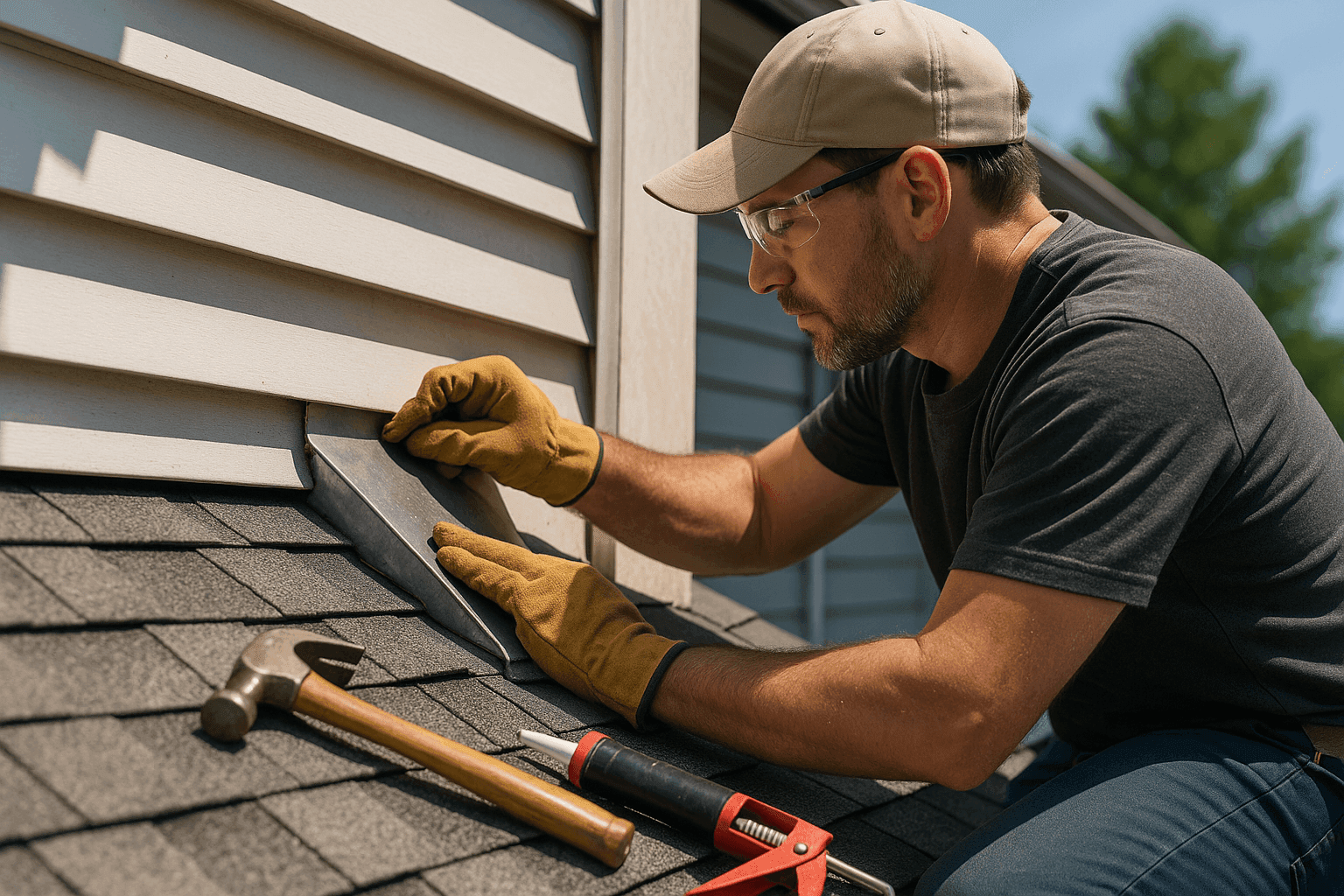
Is there anything more frustrating than discovering a mysterious water stain on your ceiling? One day, your home or business feels safe and dry. The next, there’s a drip, drip, drip that won’t quit. Leaks never wait for a convenient time. At Rama Roofing, we know how quickly small flashing problems can turn into big headaches.
If you’re worried about leaks, this guide is for you. We’ll walk you through what roof flashing is, why it matters, how to spot trouble, and what you can do—right now—to protect your property.
What Is Roof Flashing—And Why Should You Care?
Picture your roof as a raincoat. The shingles or tiles are the fabric, but the seams—where the raincoat meets your sleeves, pockets, or hood—need special care. That’s what flashing does. It’s the thin metal or flexible material that seals up the joints, edges, and any place your roof changes shape.
Flashing is found around chimneys, skylights, vents, valleys, and along walls. Its job? Channel water away from vulnerable spots and keep it from sneaking inside. When flashing fails, leaks follow.
Why is flashing so important?
- It prevents water from seeping between roof layers.
- It protects your home’s structure from rot and mold.
- It extends the life of your roof.
Ignoring flashing is like ignoring the zipper on your raincoat. One weak spot, and you’re soaked.
Common Signs Your Roof Flashing Needs Repair 🛑
Flashing damage isn’t always obvious. But if you know what to look for, you can catch issues before they get out of hand.
Warning signs:
- Water stains on ceilings or walls, especially near chimneys or skylights.
- Peeling paint or bubbling plaster inside.
- Visible rust or corrosion on metal flashing.
- Loose, cracked, or missing flashing pieces.
- Shingles curling or pulling away near roof edges.
- Mold or musty smells in the attic.
If you spot any of these, don’t wait. Water damage can move fast, especially after storms or heavy winds.
Quick Safety Checklist Before You Inspect
Even a simple look at your roof can be risky. Safety first, always.
- Use a sturdy ladder—make sure it’s on level ground.
- Never climb on a wet or icy roof.
- Wear non-slip shoes and gloves.
- Have someone nearby in case you need help.
- Avoid power lines and overhead hazards.
- Don’t step on damaged areas—they might not hold your weight.
If you’re unsure, stay on the ground and use binoculars. Or call a professional. Your safety is worth more than any repair.
DIY vs. Call a Pro: Which Is Right for You?
Some minor flashing fixes are within reach for handy homeowners. But many repairs need special tools, materials, and know-how.
DIY may work if:
- The damage is small—like resealing a short section with roofing caulk.
- You’re comfortable on ladders and roofs.
- You have the right gear and safety equipment.
Call Rama Roofing if:
- The flashing is badly rusted, missing, or bent.
- Leaks are recurring or widespread.
- The roof is steep, high, or complex.
- You’re not 100% sure what’s causing the leak.
Remember, a quick patch might buy you time, but a thorough repair stops leaks for good.
How to Repair Different Types of Roof Flashing
Flashing comes in several flavors—aluminum, galvanized steel, copper, rubber, and even specialized coatings. Each has its strengths and quirks.
Step-by-Step: Basic Metal Flashing Repair
- Locate the leak. Trace water stains or use a hose to simulate rain.
- Remove debris. Clear leaves, dirt, and old caulk.
- Lift shingles gently above the damaged flashing.
- Pry out old nails or screws.
- Replace with new flashing, cut to fit snugly.
- Secure with roofing nails and apply roofing cement to seal edges.
- Lay shingles back down and seal any gaps.
Tip: Use corrosion-resistant metal for replacements. The International Residential Code (IRC) recommends minimum thickness and proper overlap for flashing—always follow these guidelines for safety and durability.
For Rubber or Flexible Flashing
- Clean the area thoroughly.
- Use compatible sealant to patch cracks or holes.
- Replace entire sections if the material is brittle or torn.
Chimney and Skylight Flashing
These areas are especially tricky. Water loves to sneak in around brick, glass, or metal. If the flashing is pulling away or the sealant is cracked, it’s best to call in a pro. Improper repairs here can make leaks worse.
What Pros Do On Arrival
When Rama Roofing’s emergency roofing team arrives, we don’t just slap on a patch. Here’s what you can expect:
- Thorough inspection: We check all flashing, not just the obvious spots.
- Moisture testing: Tools help us spot hidden leaks.
- Material match: We use flashing that fits your roof’s material and style.
- Secure installation: Fasteners and sealants are chosen for long-term hold.
- Cleanup: No mess, no debris left behind.
We follow safety standards from OSHA and building code requirements, so your repair is solid and safe.
Prevention & Maintenance: Make Flashing Last Longer 🛠️
A little attention goes a long way. Here’s how to keep your flashing—and your roof—healthy:
- Inspect twice a year, especially after heavy storms.
- Clear gutters and downspouts so water flows away from flashing.
- Trim tree branches that could damage your roof in a storm.
- Remove moss and debris that trap moisture.
- Check attic ventilation—poor airflow can cause condensation and rust.
Scheduling regular roof inspections with a professional can catch small issues before they turn into emergencies.
Costs & Time Factors: What to Expect
Roof flashing repair costs depend on the material, the size of the damaged area, and how easy it is to access. Here’s what usually affects your bill:
- Material: Copper and specialty metals cost more than aluminum or galvanized steel.
- Labor: Steep or complex roofs take longer and require more safety measures.
- Extent of damage: Replacing a few feet of flashing is quicker than redoing a whole chimney or skylight.
Time: Minor repairs might take an hour or two. Major repairs or replacements can take half a day or more.
Why act fast? Delaying repairs often leads to water damage, mold, ruined insulation, and even structural rot. A small fix now can save you from a big, expensive headache later.
When It’s an Emergency
Some leaks just can’t wait. If you see water pouring in during a storm, notice sagging ceilings, or find large sections of missing flashing after high winds, it’s time to act now.
Emergency roofing services can:
- Stop leaks fast to prevent further damage.
- Protect your electrical systems and valuables.
- Keep your home or business open and safe.
Rama Roofing is available 24/7 for urgent repairs. Don’t wait for things to get worse.
FAQ: Roof Flashing Repair
How long does roof flashing last? Most metal flashing lasts 15–30 years, but harsh weather, poor installation, or lack of maintenance can shorten its lifespan.
Can I use caulk to fix flashing leaks? Caulk can seal small gaps temporarily, but it’s not a permanent fix. Damaged flashing should be replaced or properly repaired.
Is flashing repair covered by insurance? Insurance may cover damage from sudden events like storms. Routine wear and tear usually isn’t covered—check your policy for details.
What happens if I ignore flashing problems? Leaks can lead to rot, mold, ruined insulation, and costly structural repairs. It’s always cheaper to fix flashing early.
Special Considerations for Roof Flashing Repair
- Eco-friendly options: Ask about recycled metal flashing or low-VOC sealants for a greener repair.
- Historic or specialty roofs: Tile, slate, and metal roofs may need custom flashing solutions.
- New construction: Proper flashing installation is key to a leak-free roof from day one.
- Commercial properties: Flat roofs and large buildings often have unique flashing needs—professional assessment is crucial.
No matter your roof type—shingle, tile, metal, or flat—flashing is your first line of defense against water damage.
Leaks don’t wait. Protect your property and your peace of mind. Call Rama Roofing now — or reach us anytime at 888-780-7394 .